Difference between prepaid and traditional credit cards
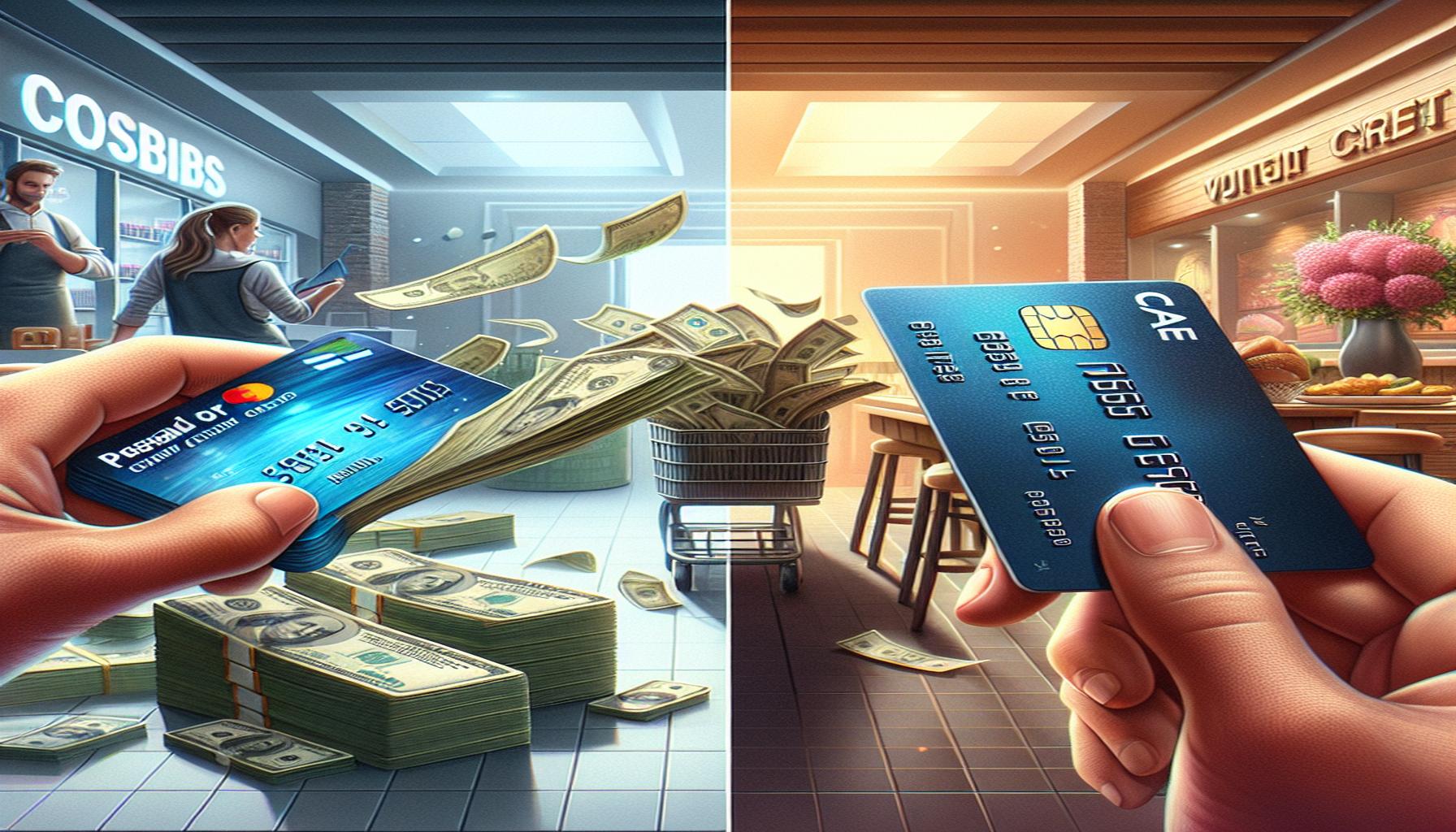
Understanding Payment Options
When you manage your finances, being informed about your payment options is crucial. Two prevalent methods for making purchases are prepaid cards and traditional credit cards. Each has its methods of operation and advantages, which can significantly affect your financial health and decisions.
Prepaid cards operate similarly to cash in that you need to load money onto the card before you can use it. This feature inherently imposes a limitation on spending, making it an excellent option for those who want to adhere to a strict budget. Consider some key features of prepaid cards:
- No interest charges: Since you are using your own money, there are no looming interest fees that can accumulate like with a credit card.
- No credit check required: People with limited or no credit history can acquire a prepaid card without the stress of being denied.
- Spend only what’s loaded on the card: This encourages responsible spending, as you cannot spend more than what you preloaded, preventing debt accumulation.
For instance, if you load $100 onto a prepaid card, that is all you can spend. This is particularly advantageous for parents who want to give their children an allowance without the risk of overspending or accruing debt.
On the flip side, traditional credit cards allow you to borrow money up to a predetermined limit, which can provide you with flexibility in your purchasing power. However, this freedom carries with it a host of responsibilities. Here are several important aspects to consider:
- Potential for interest charges: If you do not pay off the balance in full each month, you could incur significant interest fees on the remaining amount.
- Requires a credit check during the application: This means your credit history will be scrutinized, which can be a barrier for some applicants, especially younger individuals.
- Can help build your credit score: Responsible use of a credit card, such as making timely payments, can enhance your creditworthiness, which is vital for future loans, like mortgages.
For example, if you have a credit limit of $1,500 and you use $400 of it, you will need to manage your payment carefully to avoid interest charges. This form of financial management can improve your credit score if done responsibly.
In summary, understanding these key differences can empower you to make informed financial choices. Whether you’re aiming to maintain strict spending limits with a prepaid card or seeking to build a credit history with a traditional credit card, it’s crucial to choose the option that aligns best with your financial goals and lifestyle.
Key Features of Prepaid and Traditional Credit Cards
To fully grasp the differences between prepaid and traditional credit cards, it’s essential to explore their fundamental features in greater detail. Each serves distinct purposes and offers varied benefits and drawbacks that cater to different financial needs and lifestyles.
Prepaid Cards: Budget-Friendly and Accessible
Prepaid cards are an attractive option for those looking to manage their spending meticulously. With the ability to load a fixed amount of money, prepaid cards safeguard users from overspending. Here are some additional advantages of prepaid cards:
- Control Over Spending: Because you can only use the amount that you have preloaded, these cards help in curbing impulsive purchases. If you are conscious of adhering to a budget, maintaining funds solely on a prepaid card can be a sensible choice.
- Ideal for Travel: Preloaded prepaid cards can be convenient for trips, allowing you to manage your travel budget effectively. Plus, they can be used at any merchant that accepts major card networks, providing a safety net against carrying large amounts of cash.
- No Debt Accumulation: Since there are no credit lines involved, you cannot run into debt while using your prepaid card. This feature can reduce financial stress for those who may struggle with spending within their means.
However, it’s worth mentioning that there may be fees associated with some prepaid cards, such as activation fees or monthly maintenance fees. Reading the terms and conditions can help you avoid any surprises.
Traditional Credit Cards: Flexible and Rewarding
Traditional credit cards offer a different financial experience, providing users with the ability to borrow money up to their credit limit. This borrowing power can be beneficial but also requires responsible management. Consider these essential aspects of traditional credit cards:
- Interest Rates: If you do not pay off your balance in full each month, you could face high-interest charges on the remaining amount. These rates can vary by card and financial institution, so it’s crucial to compare options.
- Rewards Programs: Many traditional credit cards offer reward programs which can include cashback, travel points, or discounts on purchases. Using a credit card responsibly can lead to valuable perks that prepaid cards typically do not offer.
- Credit Building: Paying your balance on time and maintaining a low credit utilization can enhance your credit score. This is beneficial for those aiming to secure loans for larger purchases in the future, such as homes or cars.
While traditional credit cards present an appealing array of benefits, they also come with risks. A lack of discipline in managing your spending can lead to accumulating debt and financial difficulties.
In summary, understanding the key differences in features between prepaid and traditional credit cards can help you choose the right option for your personal finance needs. Whether you’re prioritizing budget control with prepaid cards or exploring spending flexibility and rewards through traditional credit cards, knowing what suits your lifestyle is fundamental to effective financial management.
Understanding the Risks and Limitations of Each Card Type
While prepaid and traditional credit cards offer unique benefits, it’s crucial to delve into their risks and limitations. Being aware of these factors will ensure you make informed financial decisions when choosing between the two options.
Prepaid Cards: Potential Drawbacks
Prepaid cards may seem straightforward, but they come with certain limitations that users should carefully consider:
- No Credit History Building: One of the most significant downsides of prepaid cards is that they do not contribute to building or improving your credit score. If you are aiming to establish or enhance your credit history, relying solely on a prepaid card won’t help, as credit bureaus do not consider prepaid card usage.
- Limited Protections: Although prepaid cards offer some consumer protection, they may lack the same level of fraud protection extended to traditional credit cards. In cases of unauthorized transactions, the recovery process can be more complex and less favorable.
- Fees and Reloading Costs: While some prepaid cards are free to obtain, others may charge for card activation, reloading funds, and monthly maintenance. These fees can accumulate and reduce the overall value of the card. It’s always prudent to research the terms and conditions associated with a prepaid card before committing.
Traditional Credit Cards: Cautions to Consider
Although traditional credit cards provide flexibility, they also demand careful management and come with risks:
- Debt Potential: The ability to borrow money comes with the risk of debt accumulation. If you exceed your budget and only make minimum payments, you can quickly find yourself in a cycle of debt that may be difficult to escape. It’s critical to develop a budget to ensure your spending does not spiral out of control.
- Impact on Credit Score: While managing your credit card responsibly can boost your credit score, mishandling it—such as making late payments or accruing high balances—can severely damage your credit rating. This effect can impact future borrowing options like mortgages or car loans.
- Fees and Interest Rates: Many traditional credit cards come with annual fees, transaction fees, and high-interest rates for balances carried beyond the due date. It’s essential to select a credit card that aligns with your spending habits to avoid unnecessary costs.
Understanding these risks can help improve financial literacy and enable you to navigate both prepaid and traditional credit cards wisely. Making informed choices can significantly impact your financial health, whether you’re using a prepaid card for budgeting purposes or taking advantage of the rewards offered by a traditional credit card. With careful planning and management, you can leverage the benefits of either card while minimizing the associated risks.
Final Thoughts on Prepaid and Traditional Credit Cards
As we have explored the differences between prepaid and traditional credit cards, it is evident that each option serves distinct purposes based on individual financial needs. Prepaid cards are ideal for those looking to manage their spending and avoid debt, as they require funds to be loaded upfront. This can be beneficial for budgeting and teaching responsible financial habits, especially for young adults or individuals new to credit.
On the other hand, traditional credit cards offer greater flexibility and the potential to build a credit history. They provide perks like rewards programs and consumer protections, making them appealing for regular use. However, they also come with the challenge of managing debt, as overspending can lead to high-interest charges and financial strain.
When choosing between the two, it’s essential to evaluate your spending habits, financial goals, and willingness to manage debt. If you’re focusing on budgeting and controlled spending, a prepaid card may be best. If you aim to build credit and take advantage of rewards, a traditional credit card could be the right choice. Ultimately, understanding your personal financial situation and making informed decisions will empower you to select the card that aligns with your lifestyle and financial aspirations. Remember, careful usage of either card type can pave the way for a healthier financial future.

Linda Carter
Linda Carter is a writer and financial consultant specializing in economics, personal finance, and investment strategies. With years of experience helping individuals and businesses make complex financial decisions, Linda provides practical analyses and guidance on the World Information Now platform. Her goal is to empower readers with the knowledge needed to achieve financial success.