
The Evolution of 5G and its Impact on Smart Cities
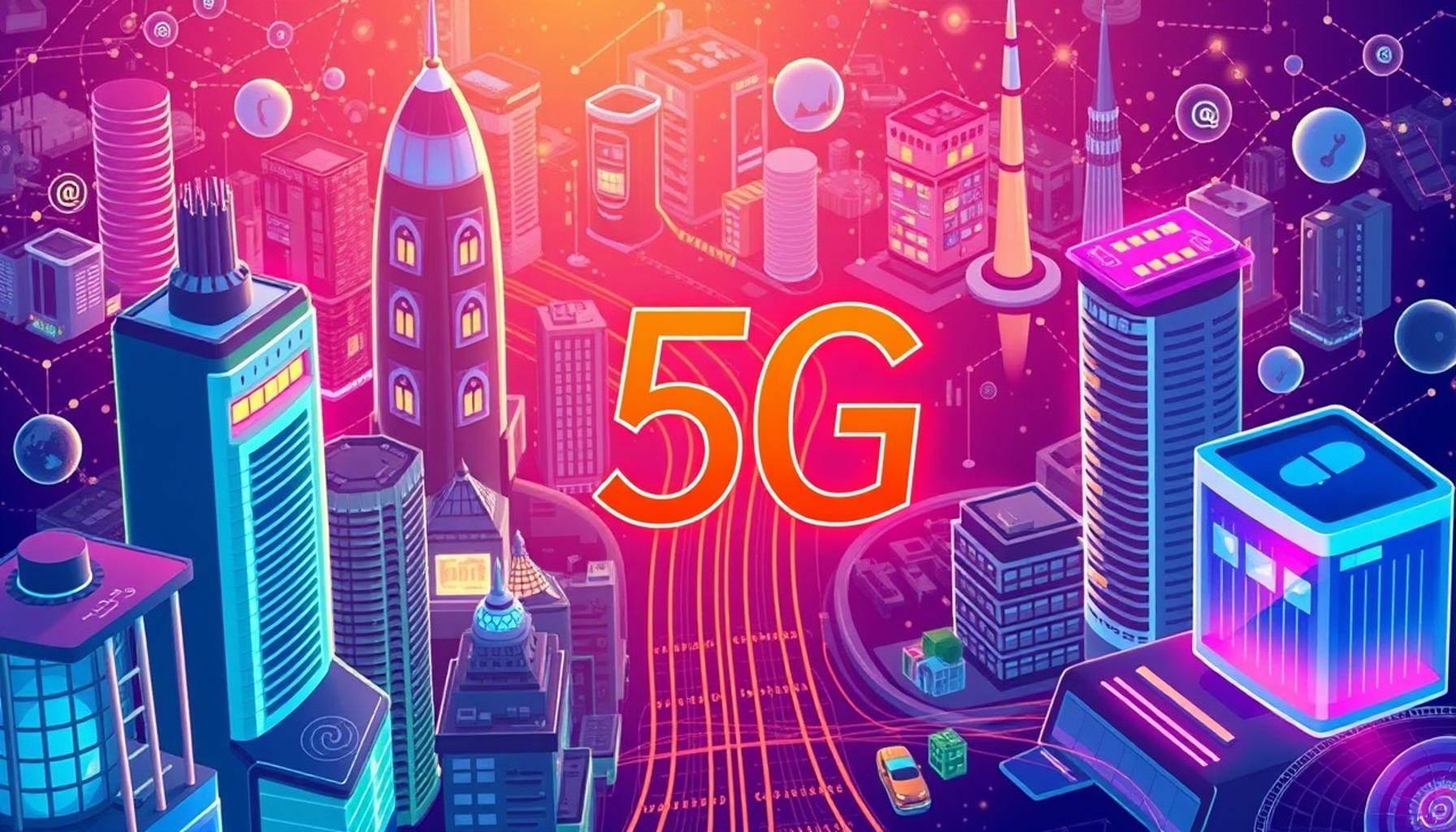
The Impact of 5G on Urban Development
The rollout of 5G technology marks a significant advancement in the realm of telecommunications, poised to transform how urban areas function. By providing faster data speeds—potentially up to 100 times quicker than 4G—greater capacity for network users, and much lower latency (the time taken for data to travel from its source to its destination), 5G is becoming the backbone of modern urban infrastructures.
One of the most anticipated benefits of 5G technology is its ability to enhance traffic management. Urban planners can utilize real-time data analysis to monitor traffic patterns instantly. For instance, smart traffic signals can adjust their timings based on real-time traffic conditions, drastically reducing congestion during peak hours. In cities like Los Angeles, where traffic can be a nightmare, this technology holds the potential to smooth out daily commutes and enhance public transport efficiency, making it more attractive for residents.
Moreover, 5G enables smart utilities, which not only improve urban living standards but also contribute to sustainability efforts. Smart grids equipped with advanced sensors can detect power outages or inefficiencies, allowing utility companies to address issues before they affect consumers. Additionally, water management systems can monitor usage and detect leaks, leading to reduced water wastage and more effective resource allocation. Cities like San Francisco are already piloting such programs to optimize their energy consumption while minimizing their ecological footprints.
Another critical area where 5G shines is in public safety. Enhanced communication systems for emergency services can rely on 5G’s low latency to ensure faster response times when every second counts. For example, in emergencies, first responders can access live video feeds and detailed building layouts in real-time, ensuring they are better equipped to handle crises. This capability has the potential to save lives and increase the efficiency of emergency management efforts.
As a result of these advancements, cities transition towards the vision of smart cities, where technology is interwoven seamlessly into daily life. The Internet of Things (IoT) plays a critical role in this transformation, enabling numerous devices—such as sensors, cameras, and smart streetlights—to communicate and collaborate effectively. This interconnectedness fosters urban environments that are not only more responsive but also more sustainable and resilient in the face of challenges like climate change.
In conclusion, the future is indeed promising as 5G technology empowers cities across the United States to become more intelligent, safer, and efficient, paving the way for a new era of urban development. As these innovations continue to unfold, they will likely redefine what it means to live and thrive in a modern metropolis.
DON’T MISS OUT: Click here to find vital tips
Transforming Connectivity and Communication
The rapid evolution of 5G technology is more than just a leap in speed; it marks a revolution in how cities will communicate and function. With its ability to support massive numbers of devices and provide ultra-reliable low latency communication, 5G opens up new possibilities for connected living. In smart cities, this connectivity can enhance how different systems interact, creating an ecosystem where services are more responsive to the needs of urban residents.
One of the pillars of smart urban zones is the Internet of Things (IoT), which consists of a network of devices that can share real-time data. In a 5G-enabled environment, these devices can communicate with each other instantaneously. This capability allows crucial services to operate cohesively. For example, waste management systems can use smart bins equipped with sensors to signal when they are full, allowing waste collection routes to be optimized. Consequently, this not only saves on operational costs but also reduces the city’s carbon footprint.
Additionally, 5G technology empowers public transportation systems by enhancing connectivity and enabling the development of smart public transit applications. Cities such as New York are already experimenting with apps that provide real-time tracking information for buses and subways. With 5G, the coordination among vehicles, traffic signals, and passengers can become more efficient, leading to reduced wait times. This improvement helps to alleviate some of the congestion that plagues major urban centers, making public transport a more appealing option for commuters.
To better understand the transformative capabilities of 5G technology in urban settings, consider the following advantages:
- Faster data transfer: Real-time communication allows for instant updates and faster decision-making.
- Improved reliability: More robust networks mean fewer downtimes for critical services.
- Scalability: Cities can expand their network capabilities easily to incorporate more devices as needed.
- Advanced analytics: With real-time data insights, city planners can make informed decisions to improve urban environments.
Through these enhancements, cities show the potential for smart solutions that respond to fluctuations in demand and improve the overall quality of life for residents. With the integration of 5G technology, the potential to develop even more innovative applications is vast. This includes advancements in sectors like healthcare, where telemedicine and remote monitoring can provide immediate care without the need for hospital visits.
In the coming years, as 5G networks continue to expand and mature, its impact on urban life will likely become even more pronounced. The vision of a truly interconnected urban landscape is no longer a distant concept but rather a reality on the horizon.
DIVE DEEPER: Click here to learn more
Empowering Sustainable Urban Development
In addition to enhancing connectivity, 5G technology plays a significant role in fostering sustainable practices within smart cities. As cities grapple with the twin challenges of urbanization and climate change, 5G opens doors to solutions that can lead to more environmentally responsible urban development. One area where this impact is particularly notable is in energy management.
Through 5G, smart grids can integrate renewable energy sources more effectively than ever before. These grids leverage real-time data to adjust the energy supply based on demand fluctuations, optimizing usage during peak times while minimizing waste. For instance, solar panels and wind turbines can be dynamically managed to supply energy to electric vehicles (EVs) at optimal times. This not only maximizes renewable energy utilization but also promotes the adoption of EVs, thereby reducing greenhouse gas emissions.
In urban landscapes, the integration of smart energy solutions lays the groundwork for more resilient cities. Sensors can monitor energy consumption across various sectors—residential, commercial, and industrial—allowing city planners to design initiatives that encourage energy efficiency. For example, buildings equipped with smart meters can adjust heating and cooling systems based on occupancy and external temperatures, further cutting down energy use. 5G connectivity ensures these systems work harmoniously, creating a seamless user experience for city dwellers.
Moreover, waste management is another sector primed for transformation through 5G. The technology enables cities to employ smart waste bins with sensors that relay data on fill levels. This information allows for optimized collection schedules, which reduces the number of trucks on the roads, lessening traffic congestion and decreasing emissions. Cities like Los Angeles and San Francisco are already implementing these smart solutions to keep their urban environments cleaner and more efficient.
Another compelling application of 5G in promoting sustainability is in smart water management. Cities can utilize 5G technology to monitor water distribution networks in real time, identifying leaks and inefficiencies that would otherwise go unnoticed. This proactive approach not only conserves precious water resources but also reduces the costs associated with excessive water treatment and distribution inefficiencies. As population demands on water resources continue to rise, such innovations are crucial for sustainable urban living.
5G also aids in emergency response capabilities. In cases of natural disasters or public safety threats, rapid communication between different emergency services is crucial for prompt action. Through enhanced network reliability and reduced latency, first responders can access real-time information during crises, facilitating quicker and more effective responses. Integrating drone technology into disaster response systems, for instance, can provide real-time aerial perspectives of situations, enabling better planning and resource allocation.
As urban areas become increasingly complex and interconnected, the role of 5G technology in shaping smart cities is undeniable. By fostering enhanced communication, energy management, and emergency response capabilities, cities can pursue sustainable growth while improving the quality of life for their inhabitants. This unfolding landscape of possibilities illustrates the transformative power of 5G as a growth engine for modern urban development.
DIVE DEEPER: Click here to learn more
Conclusion
In summary, the evolution of 5G technology is not just a significant leap in connectivity but also a transformative force behind the development of smart cities. As urban areas face increasing demands for efficient resource management and heightened safety, 5G serves as the backbone that enables a range of innovative solutions. From enhanced energy management through smart grids to improved waste and water management systems, the implications of 5G on urban sustainability are profound.
Moreover, the ability of 5G to support faster and more reliable communication not only leads to operational efficiencies but also empowers first responders during emergencies, ultimately saving lives. As cities like Los Angeles and San Francisco demonstrate the potential of smart technologies, it becomes increasingly clear that 5G is fostering an ecosystem that prioritizes not only technological advancement but also environmental responsibility.
Looking ahead, the widespread implementation of 5G networks will play a crucial role in addressing the pressing challenges of urbanization and climate change. By facilitating smarter, more connected cities, this technology has the potential to improve the quality of life for urban dwellers while promoting sustainable growth. As we move towards an even more interconnected future, embracing the opportunities that 5G presents will be essential for creating resilient and thriving urban environments.

Linda Carter
Linda Carter is a writer and expert known for producing clear, engaging, and easy-to-understand content. With solid experience guiding people in achieving their goals, she shares valuable insights and practical guidance. Her mission is to support readers in making informed choices and achieving significant progress.